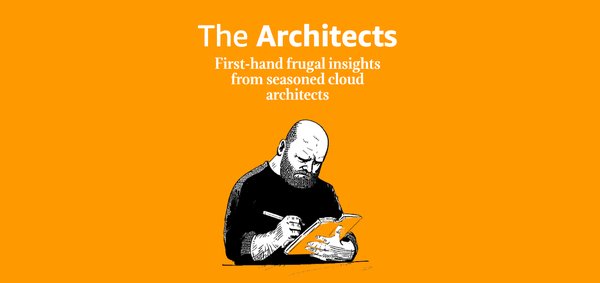
Two years ago, at re:invent, I stood on stage and said “constraints breed creativity”. I introduced seven simple laws for building cost-aware, sustainable, and modern architectures. Tapping into the common challenge that many cloud customers have—reducing cloud costs while maintaining performance and driving continuous innovation.
The concept struck a chord with builders, so we expanded the scope of The Frugal Architect with a new focus: real stories of innovation, not from inside AWS, but from the people building with it. The first season, co-hosted by myself and Simon Elisha, just wrapped up. It features architects who’ve scaled file sharing systems while simultaneously reducing environmental impact, built hardware and platforms that’ve removed millions of pounds of plastic from our rivers and oceans, and kept content streaming to millions of viewers without missing a beat. And in the process proving that true frugality—squeezing every ounce of value from your architecture-is more than possible, it’s essential.
With that, meet the Frugal Architects. And to catch up on the first season of the podcast, visit www.thefrugalarchitect.com.
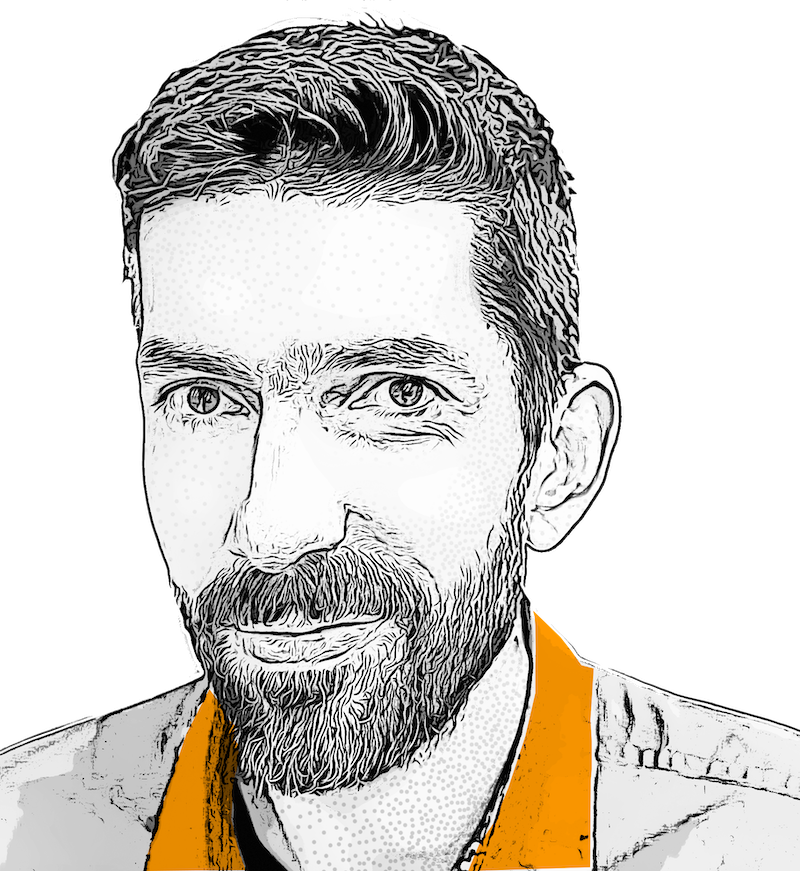
Former CTO, WeTransfer
Dan Conti’s journey from the constrained world of embedded systems to WeTransfer’s cloud architecture is a masterclass in frugal innovation.His team’s efforts to optimize storage, improve observability, and align technology with environmental values showcased that in the cloud, frugality isn’t about penny-pinching—it’s about squeezing every ounce of value from your architecture while treading lightly on the planet.
“You don’t have to stop work and rebuild from scratch or refocus the entire team on cost savings to make progress. Slow and steady investment in observing our costs has led to some of our biggest wins.“

VP of Cloud Technologies, PBS
In 1969, Mr. Rogers went before the US Senate Commerce Committee to request funds to support the growth of Public Broadcasting. His heartwarming request is often remembered as a pivotal moment in American television history, highlighting the importance of educational programming that serves the public good. Today, that mission endures, and Mike and his team at PBS continue to honor it in their own way – by stretching every public dollar as far as it can go.
“We aren’t aiming to be the next Amazon Prime or Netflix – our goal is to provide amazing content and services to the public in the most cost-effective way possible.”
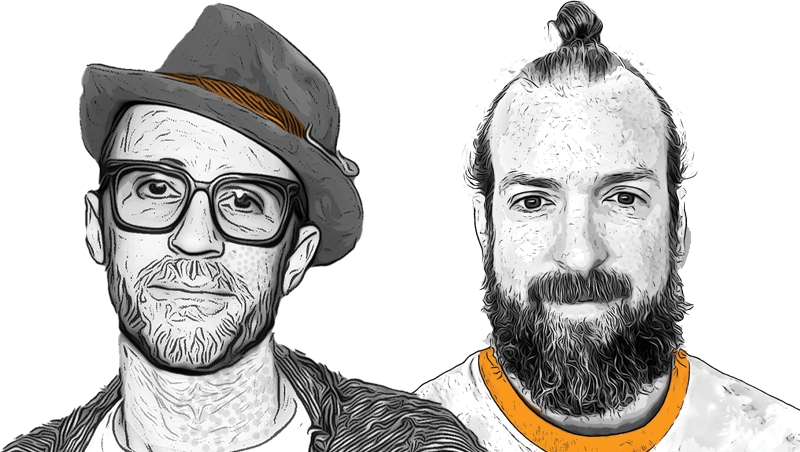
CEO & CTO, Watch Duty
Watch Duty was born out of necessity and the frustrations often felt by those living in fire prone areas. Recognizing the need for accessible, real-time updates, John had a simple but powerful idea: give the people already reporting on wildfires a purpose built platform to this end. Their approach was refreshingly pragmatic. Use proven technology, start small, and focus on their mission, not shiny objects. It’s not about being cheap, it’s about building with purpose.
“I think a common thread for our engineering decisions over the past few years has been, ‘How far can we go with what we’ve got?‘“
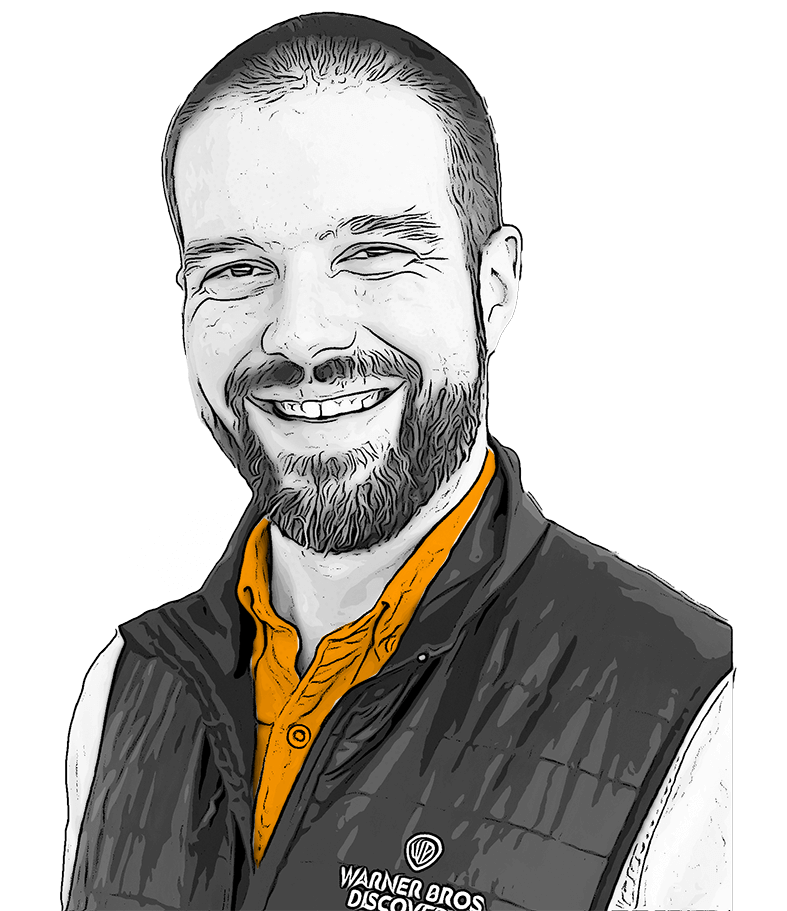
VP of Site Reliability Engineering, Warner Bros. Discovery
There’s nothing more frustrating than sitting down on a Sunday night, only to see that dreaded spinning wheel just as your favorite show begins. At Warner Bros. Discovery, that wheel is more than an inconvenience—it’s a broken promise. For Tom and his team, frugal architecture isn’t about cutting corners. Every service scaled, every dollar spent—it’s all in service of a simple goal: making sure things work (and work well) when you press play.
“In streaming, every error is a missed moment, every outage a lost viewer.”
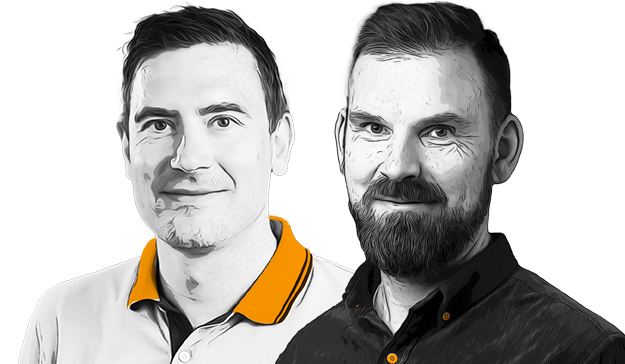
CTO & VP of Engineering, Too Good To Go
It’s estimated that nearly one-third of food produced around the world is lost or wasted. Too Good To Go is one company looking to reverse that trend by connecting local stores, cafes, and restaurants that have surplus food with customers willing to pick it up before closing at discount prices. Turns out, it’s a pretty big engineering feat and requires frugal thinking to keep 400+ million meals out of the waste bin.
“Be boring, not stale. Don’t risk the founders’ investment on experiments.”
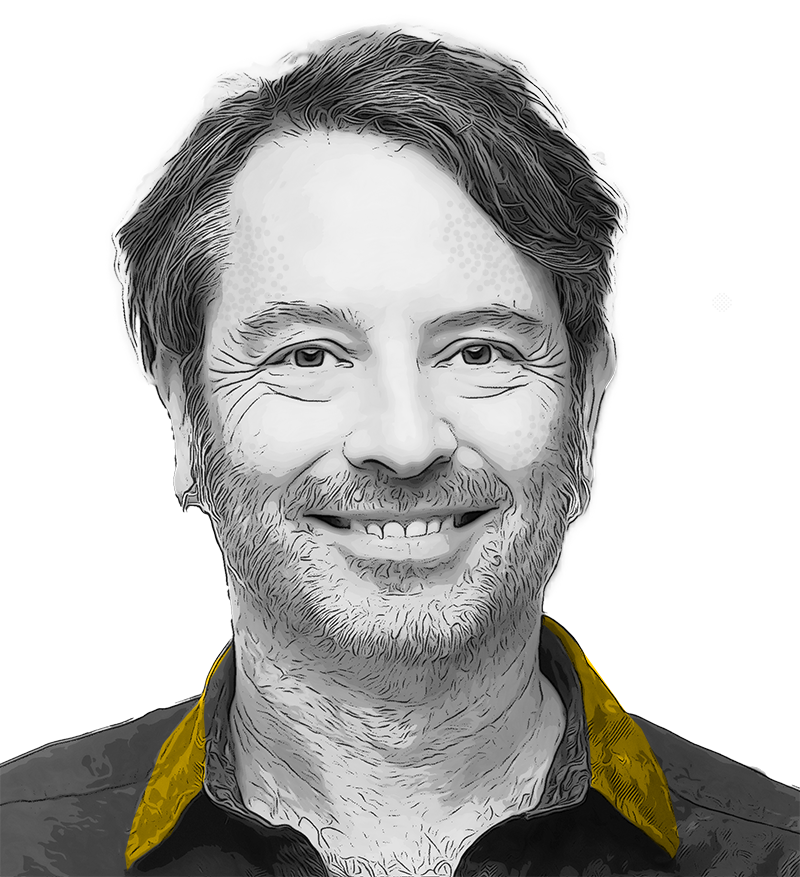
Chief Cloud Architect, Zillow
Frugality wasn’t something Craig Link learned on the job, it was passed down from his father, who would calculate the cost-benefit of driving for cheaper gas and meticulously track every tank’s miles per gallon in a worn notebook tucked into the glove box.This mindset proved invaluable throughout Craig’s career, from optimizing every little bit for dial-up gamers to architecting Zillow’s massive cloud transformation.
“Throughout my career, I’ve learned that frugally architecting systems is a skill developed over time; it doesn’t happen overnight.“
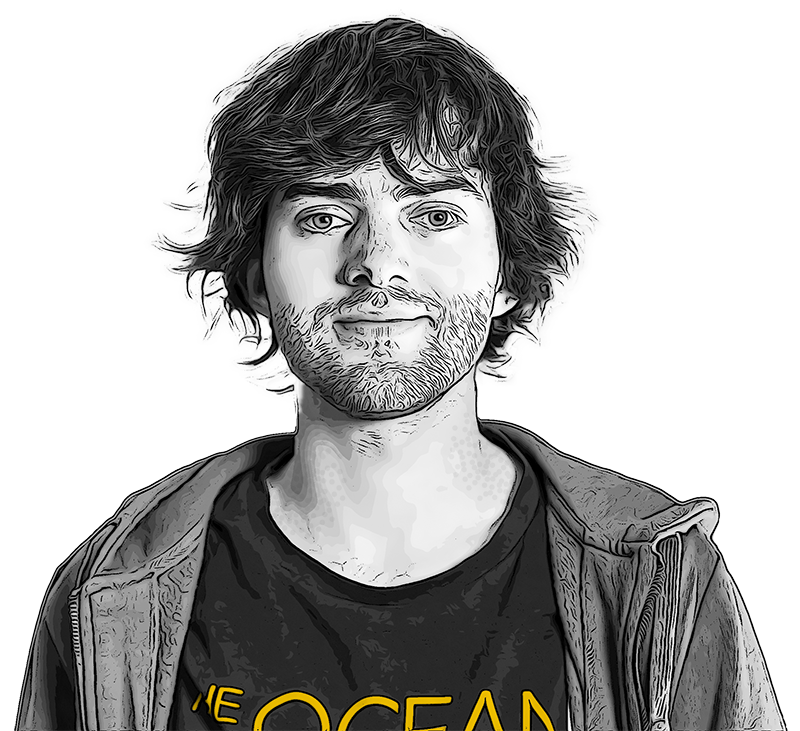
Founder and CEO, The Ocean Cleanup
When Boyan Slat found more plastic than fish on a dive in Greece, he asked a simple question: “Why can’t we just clean this up?” He was 16. What began as a humble project funded with pocket money has grown into a global initiative, removing millions of pounds of plastic from the world’s rivers and oceans in the last decade. And it’s a reminder that simple questions don’t always have simple solutions.
“My approach has always been to start simple, iterate relentlessly, and let mission, not technology guide our engineering decisions.”