
Amazon Science is where researchers and scientists from across Amazon and academic institutions share their research with the broader scientific community. As we near the end of 2025, our editorial team has pulled together 5 blog posts that really demonstrate the innovation coming out of AWS.
-
Amazon announces Ocelot quantum chip By Fernando Brandão and Oskar Painter

AWS’s first-generation quantum chip, Ocelot, represents a major step forward in realizing practical quantum computing. Ocelot leverages a novel, hardware-efficient architecture for quantum error correction that is over 5 times more resource-efficient than conventional approaches.
-
Mitra: Mixed synthetic priors for enhancing tabular foundation models
By Xiyuan Zhang and Danielle Maddix Robinson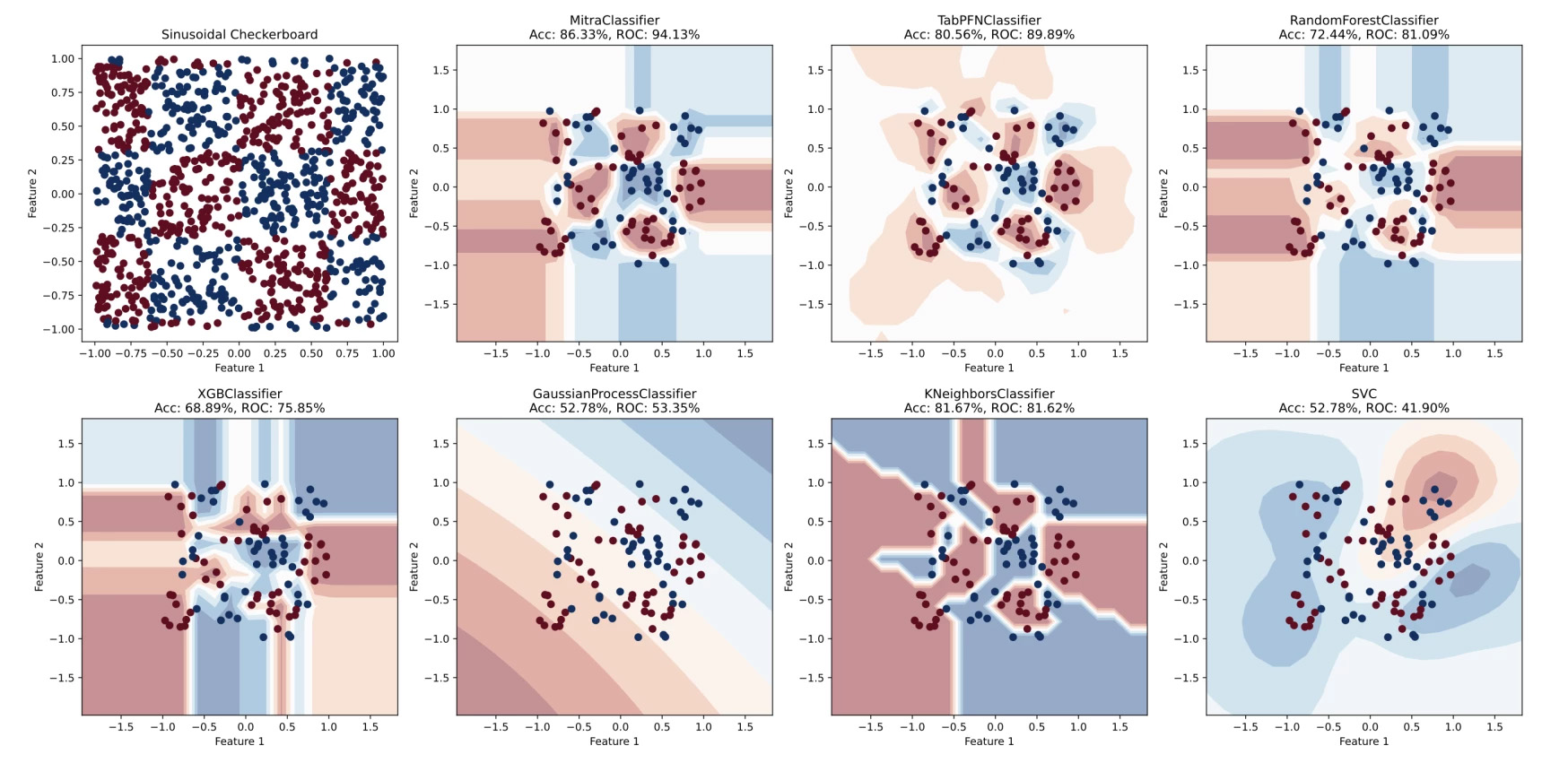
Saving up to 90% in overhead compared to conventional approaches, Mitra is a new tabular foundation model from AWS researchers that outperforms traditional methods. This is achieved by Mitra’s ability to learn from a diverse mixture of synthetic data priors and adapt to new tasks through in-context learning, without requiring separate models for each dataset.
-
A decade of database innovation: The Amazon Aurora story
By Amazon Science Staff Writer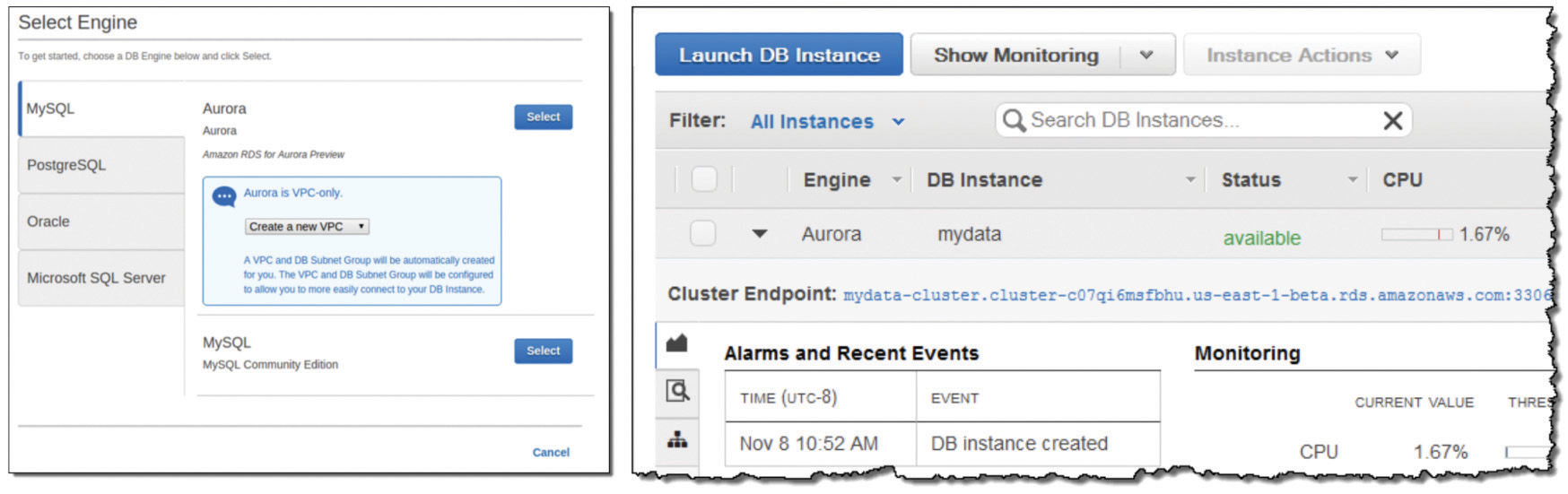
Over the past decade, the Amazon Aurora team has transformed their initial vision of a cost-effective, high-performance database into a cutting-edge, fully serverless solution trusted by tens of thousands of customers. What began as a bold pitch to combine the simplicity of MySQL with the speed of enterprise databases has evolved into a pioneering service that seamlessly handles variable workloads and offloads costly management challenges.
-
Scientific frontiers of agentic AI
By Michael Kearns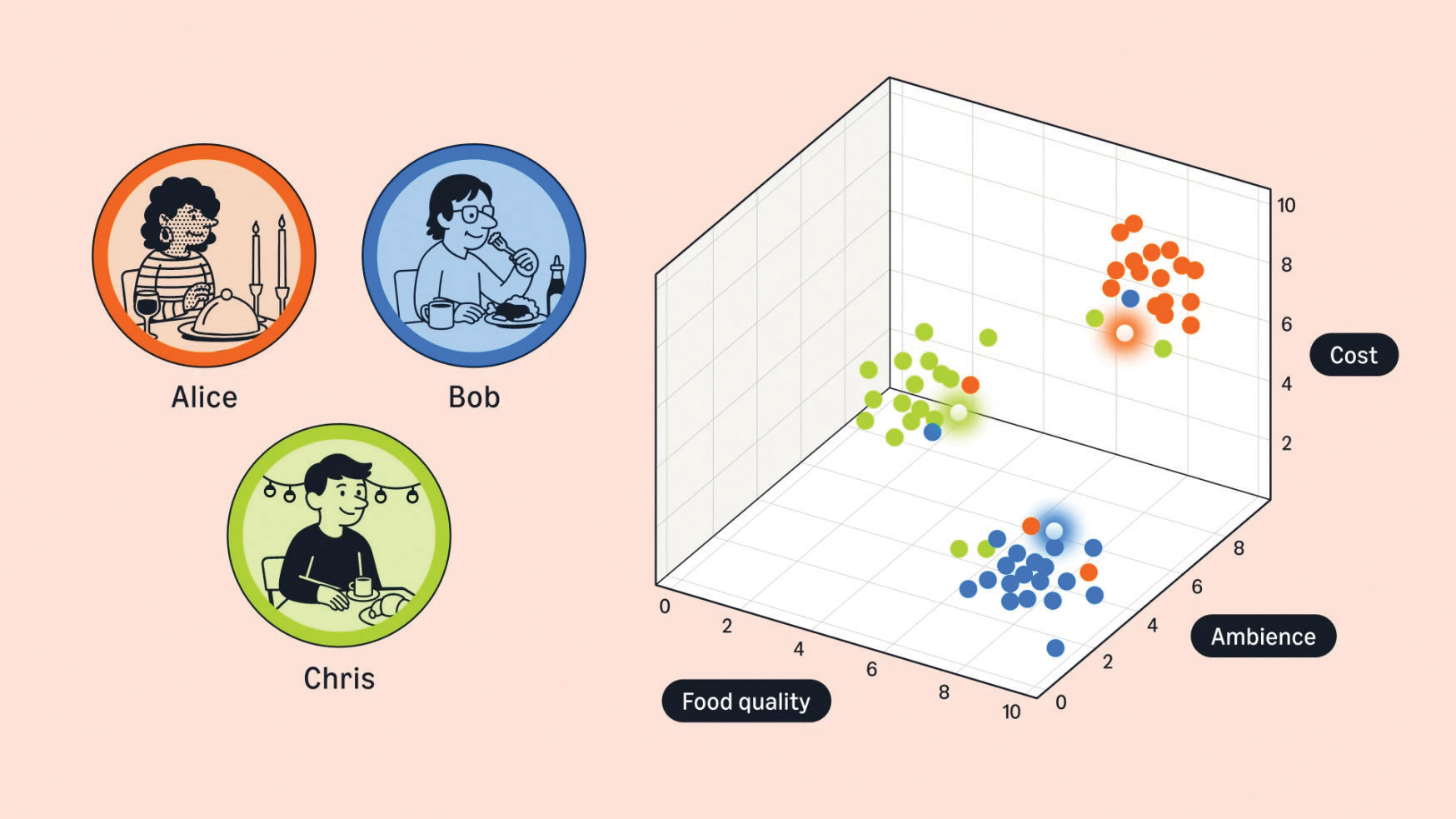
What language will AI agents of the future speak? How can they negotiate on our behalf without violating our privacy? These are just some of the new scientific frontiers emerging with the rise of agentic AI, according to Penn professor and AWS Amazon Scholar Michael Kearns. Kearns delves into the complex questions researchers must grapple with to enable the powerful personal assistants we’ve long dreamed of.
-
Science in the age of foundation models
By Danielle Maddix Robinson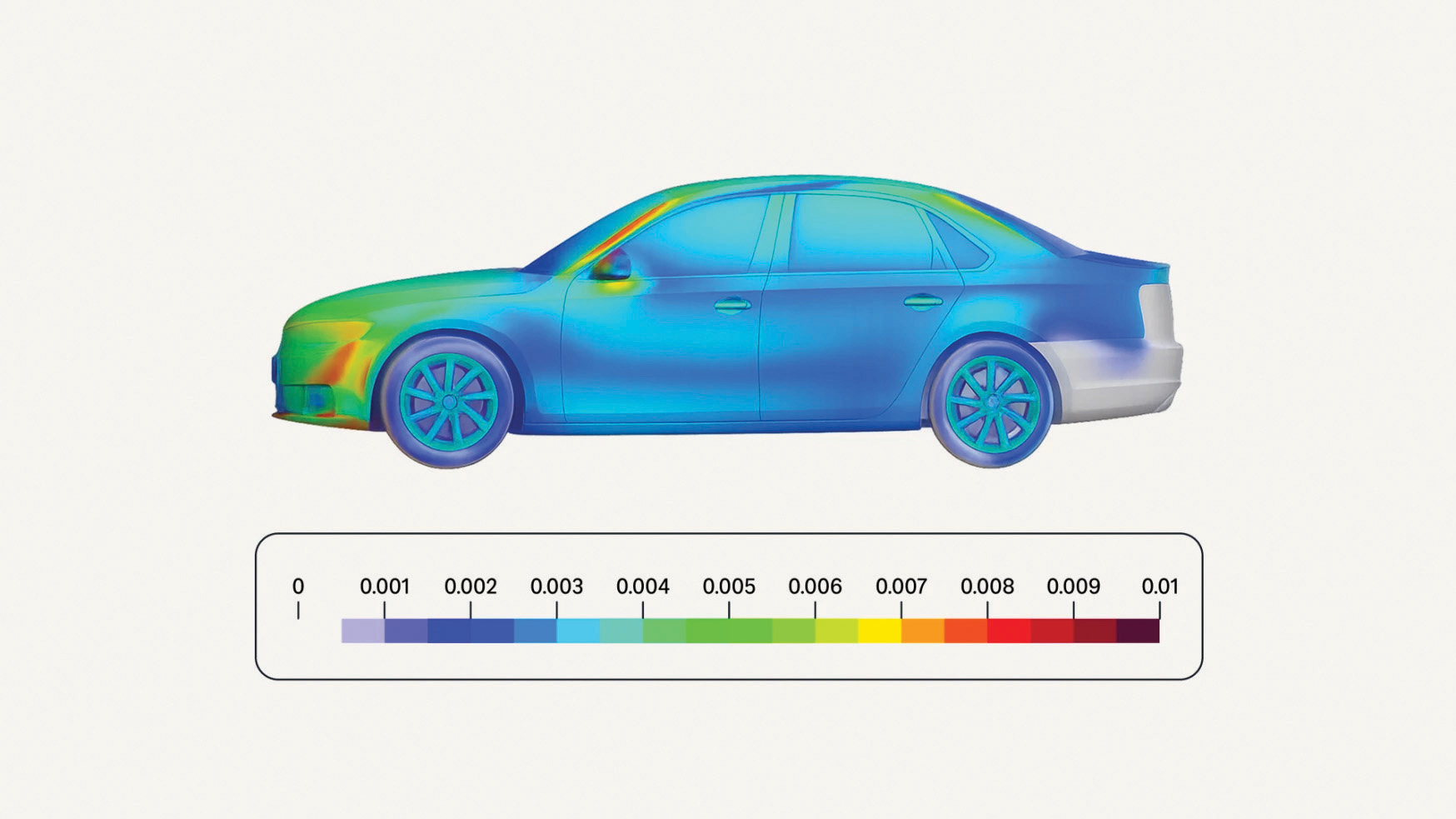
Foundation models have revolutionized language and vision, but cracking the code for scientific computing has proven more elusive. AWS senior applied scientist Danielle Maddix Robinson and team believe the key lies in foundation models that can satisfy physical constraints, quantify uncertainty, and utilize specialized forecasting — capabilities that maintain scientific integrity even as they overcome data scarcity. In fact, the researchers’ Chronos model outperforms classical methods on chaotic datasets, despite not being designed for that domain.
For more research and insights from our scientists and engineers, visit amazon.science.